
Luxury architecture does not depend on expensive materials alone. Instead, meaningful conversations between architects, interior designers, engineers, builders, developers, craftspeople, material specialists and experienced industry leaders shape it.
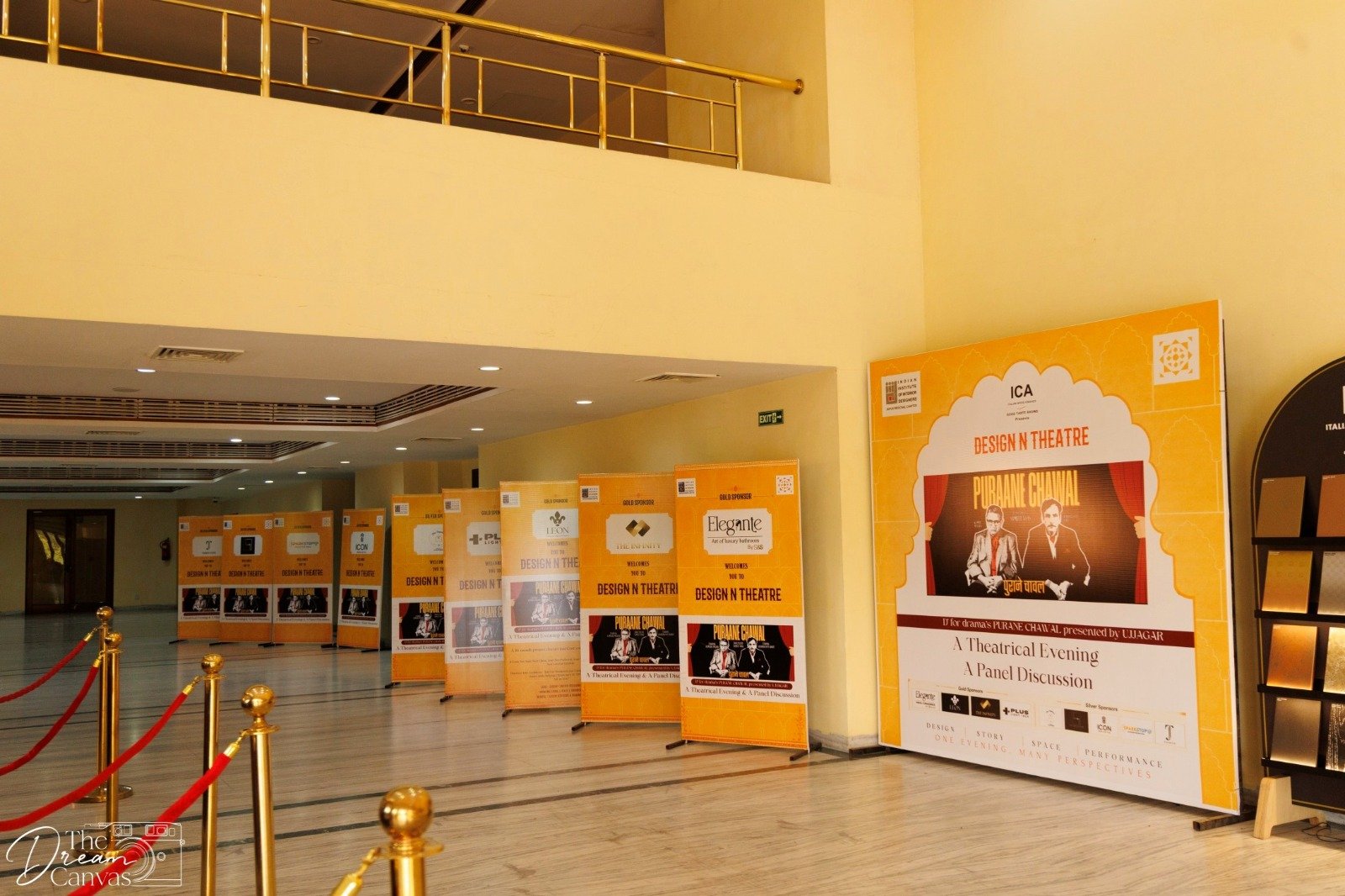
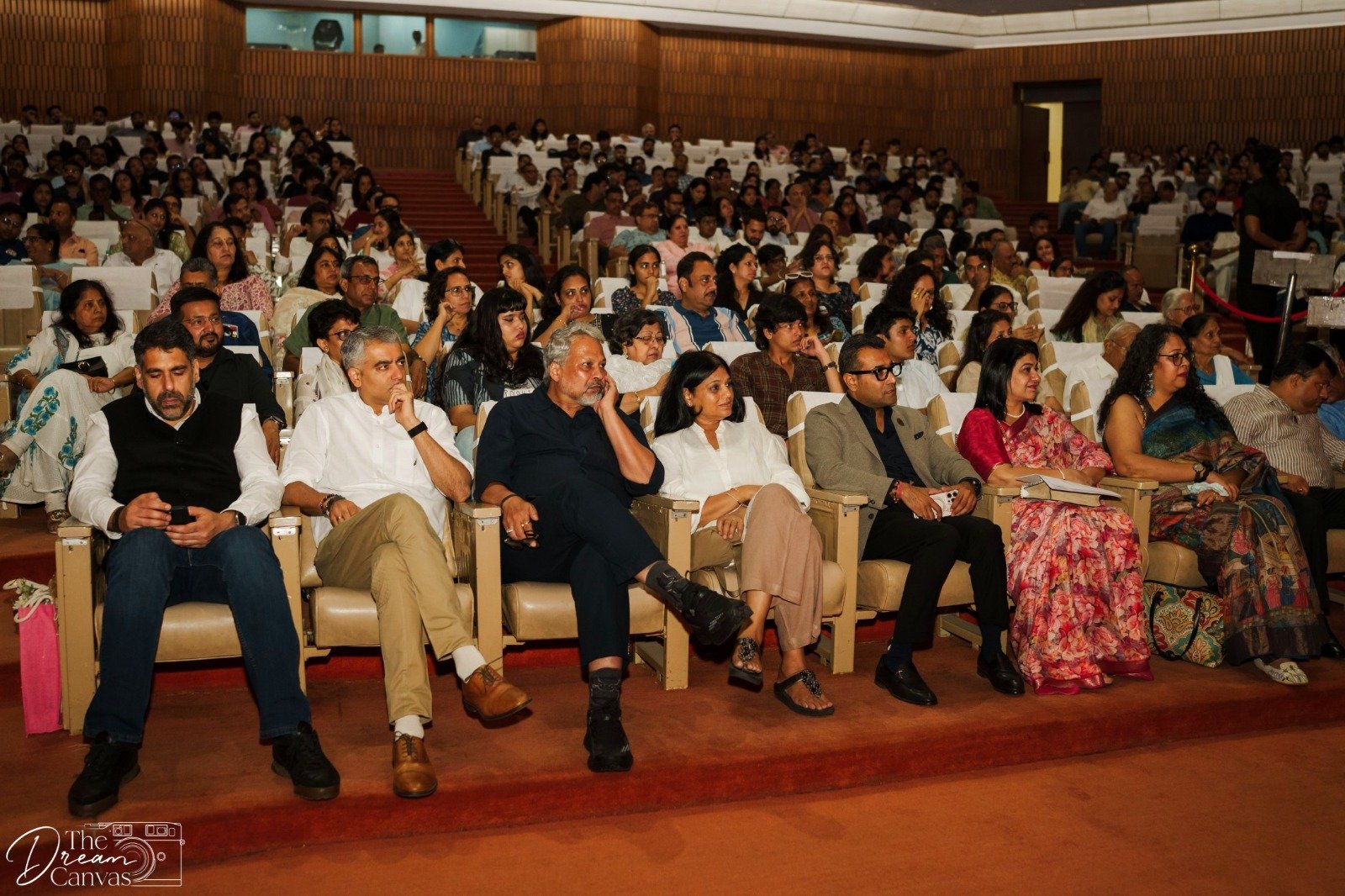
At the India Architecture, Interior Design, Suppliers and Engineers Dialogue 2026, The Infinity Marble India by Bhandari Marble Group Global brings the architecture and design community together for an insightful discussion about the changing role of natural stone in modern architecture.
In addition, the conversation features DC Bhandari, Chairman of The Infinity Marble India by Bhandari Marble Group Global, alongside respected professionals linked to the Indian Institute of Interior Designers, Jaipur Regional Chapter.
Moreover, the dialogue examines how natural marble continues to influence luxury architecture. At the same time, artificial intelligence, digital visualisation, sustainable construction, modern production methods and changing client expectations continue to transform the design industry.
From the lasting importance of white marble to the growing role of book-matching, full-slab inspection, digital mapping and responsible material planning, the conversation explores what defines extraordinary spaces today—and what will shape the interiors of tomorrow.
About the Indian Institute of Interior Designers
The Indian Institute of Interior Designers, widely known as IIID, provides a professional platform for India’s architecture and interior-design community.
Through regional chapters, professional activities, educational initiatives and industry engagement, IIID encourages interaction between architects, interior designers, students, manufacturers, suppliers and allied professionals.
Today, digital tools, artificial intelligence, sustainable construction, advanced manufacturing and changing lifestyle expectations constantly influence architecture and interior design. Therefore, professional platforms such as IIID allow members to exchange knowledge and understand how these developments affect the design process.
IIID Jaipur Regional Chapter: A Strong Design Community
The institute describes the IIID Jaipur Regional Chapter, also known as IIID JRC, as one of its active and top-performing regional chapters.
For example, the chapter successfully hosted NATCON 2011 from 4 to 6 February 2011, attracting architects and designers of national and international stature. In addition, the official chapter information describes a professional community of just over 300 members and a fully furnished education centre covering about 900 square feet.
This presence reflects Jaipur’s importance as a centre for architecture, craftsmanship, furniture, hospitality design, natural materials and luxury interiors.
White Marble – The Language of Luxury
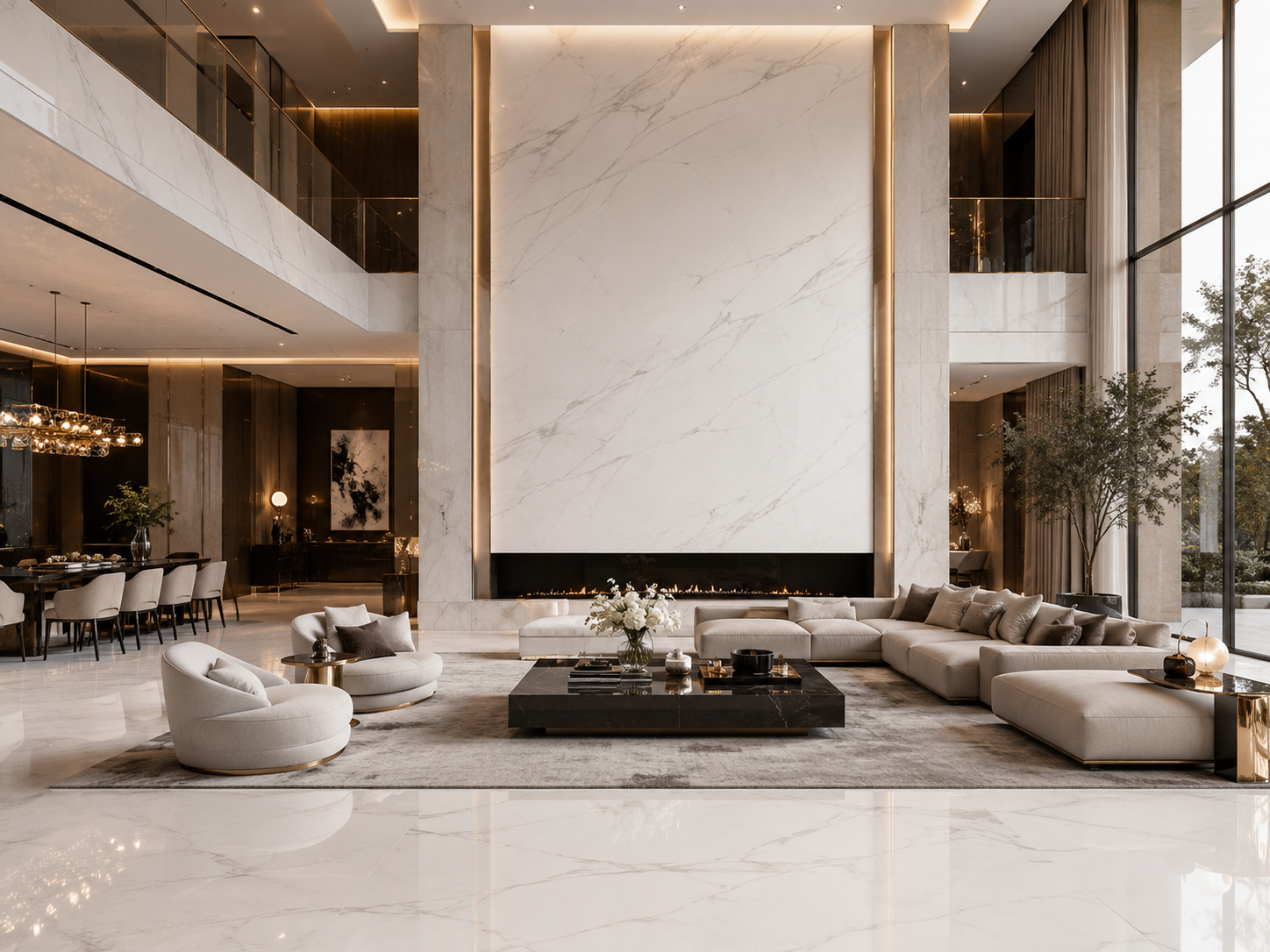
For centuries, architects and designers have used white marble in royal palaces, museums, temples, luxury hotels, premium residences and iconic architectural landmarks.
However, its appeal goes far beyond its colour.
White marble can create:
- Bright and spacious interiors
- A feeling of purity and sophistication
- Excellent reflection of natural and artificial light
- Timeless architectural elegance
- Strong visual continuity
- Long-term design relevance
- A refined background for furniture and artwork
- High visual and architectural value
Unlike short-lived decorative trends, white marble remains fashionable decade after decade.
Moreover, architects can use it in classical, contemporary, minimalist, European-inspired and modern luxury interiors. Its visual character changes according to the materials placed around it.
For example, when architects combine white marble with brass, bronze and walnut wood, it creates warm and sophisticated luxury. In contrast, when they pair it with black metal, glass and minimal furniture, it develops a bold contemporary appearance. Similarly, with pale timber, soft fabrics and warm lighting, it creates calm and understated elegance.
During the IIID Jaipur dialogue, the discussion emphasises that designers should not choose white marble only because it appears bright or expensive. Instead, the selected marble must support the architecture, proportions, lighting, furniture and emotional atmosphere of the space.
Different white marbles communicate different design languages. Some are dramatic and expressive, while others are quiet, soft and minimal. Therefore, architects must select the right marble according to the project rather than according to popularity alone.
Italian Statuario Marble – The Crown Jewel
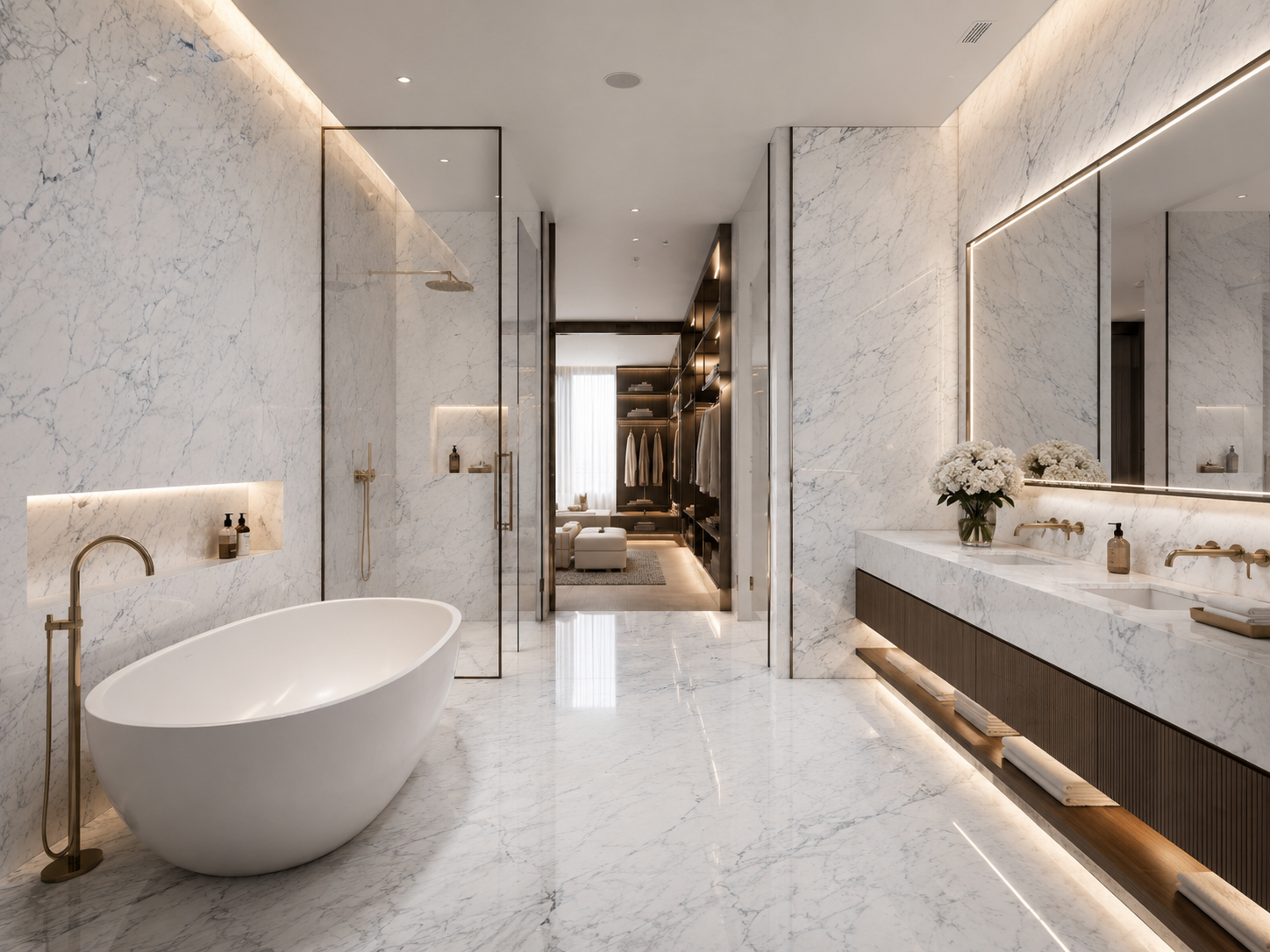
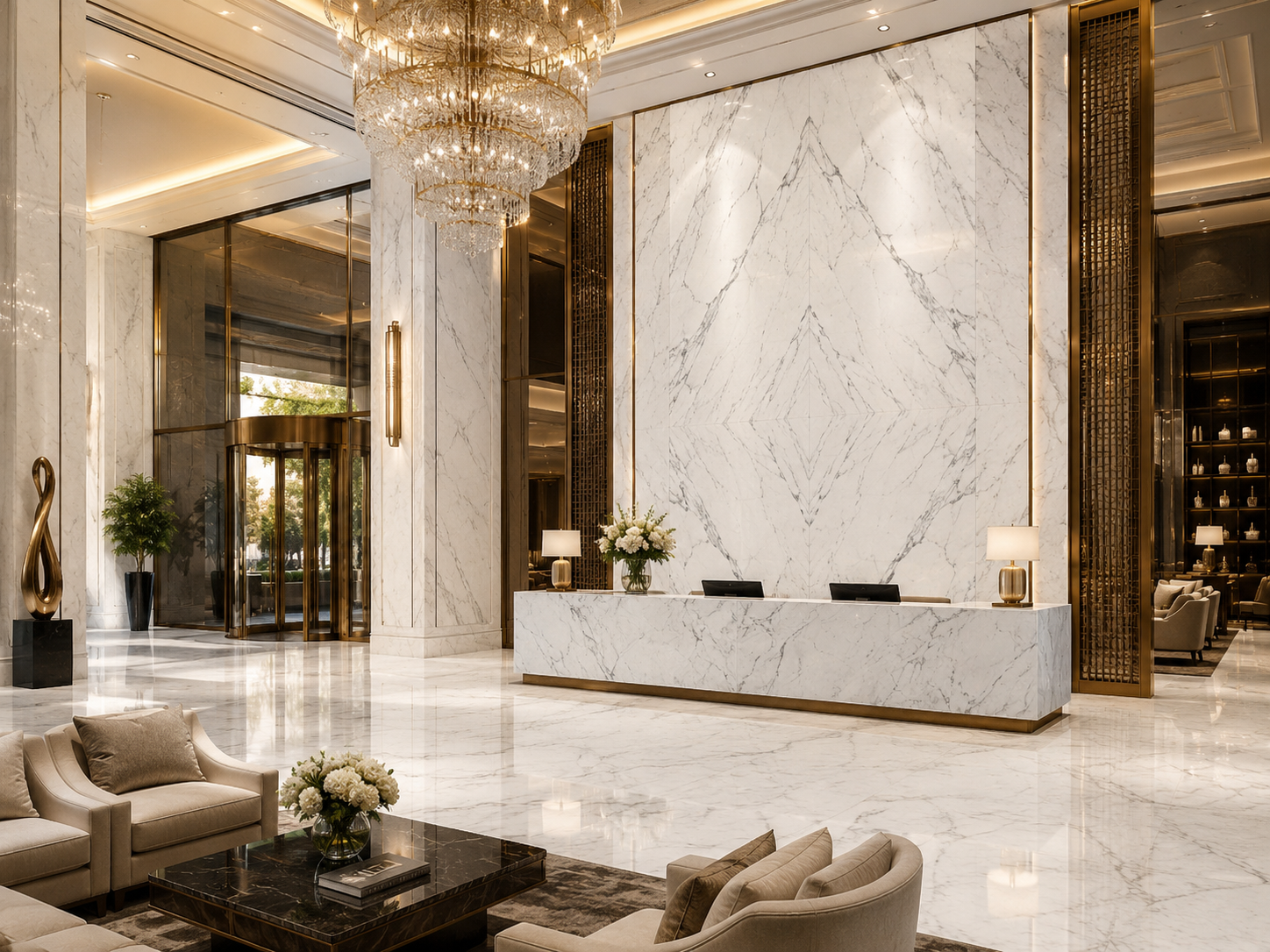
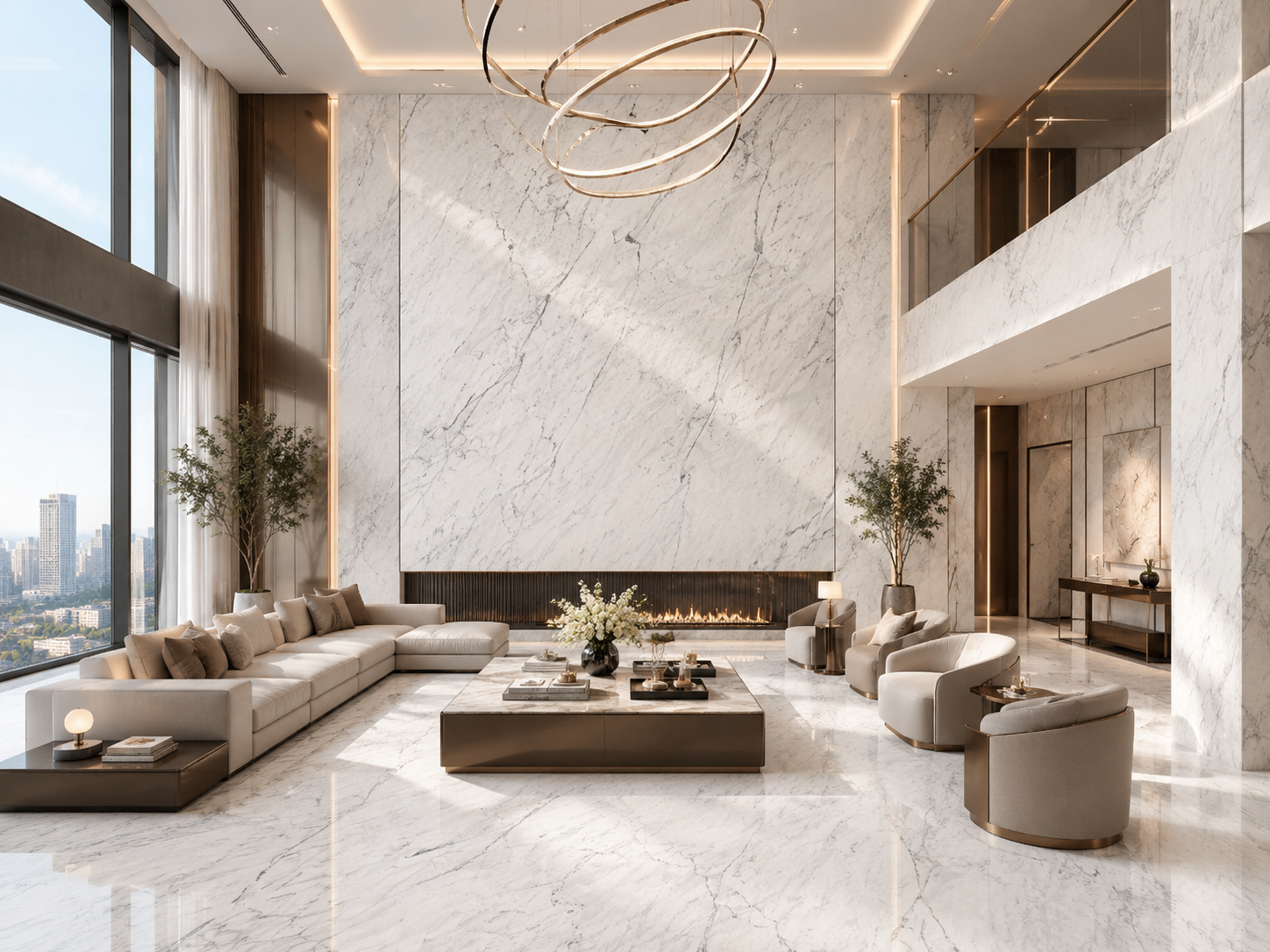
Among the world’s most admired natural stones, Italian Statuario Marble stands out for its brilliant white background and bold grey veining.
Every Statuario slab is naturally unique. Some slabs display powerful and dramatic veins, while others offer softer and more balanced movement. Therefore, this variation enables architects to create artistic interiors that engineered or printed surfaces cannot copy exactly.
Popular applications of Italian Statuario Marble include:
- Grand entrance lobbies
- Luxury villa flooring
- Double-height feature walls
- Five-star hotel receptions
- Designer staircases
- Master bathrooms
- Kitchen islands
- Dining-table tops
- Executive offices
- Fireplace surrounds
- Premium retail interiors
- Reception counters
Large-format Statuario slabs create greater visual continuity because they require fewer joints. Moreover, when project teams carefully select and install the slabs, the natural veins can move across floors and walls like one connected composition.
Book-matched Statuario slabs are particularly effective for double-height walls, hotel receptions, luxury bathrooms and villa entrance areas. In this technique, installers position two adjoining slabs like the pages of an open book, producing a symmetrical natural pattern.
However, designers should use bold Statuario intelligently.
In a large lobby or double-height room, dramatic veining can establish a powerful architectural identity. In contrast, in a smaller bathroom or compact apartment, the same pattern may become visually overwhelming.
For smaller spaces, designers may use Statuario selectively on:
- One feature wall
- A vanity counter
- A fireplace surround
- A shower backdrop
- A kitchen island
- A dining table
Therefore, DC Bhandari’s discussion with IIID Jaipur reinforces that the purpose of dramatic marble is to create a focal point, not continuous visual competition.
Calacatta Gold Marble – Warm Luxury
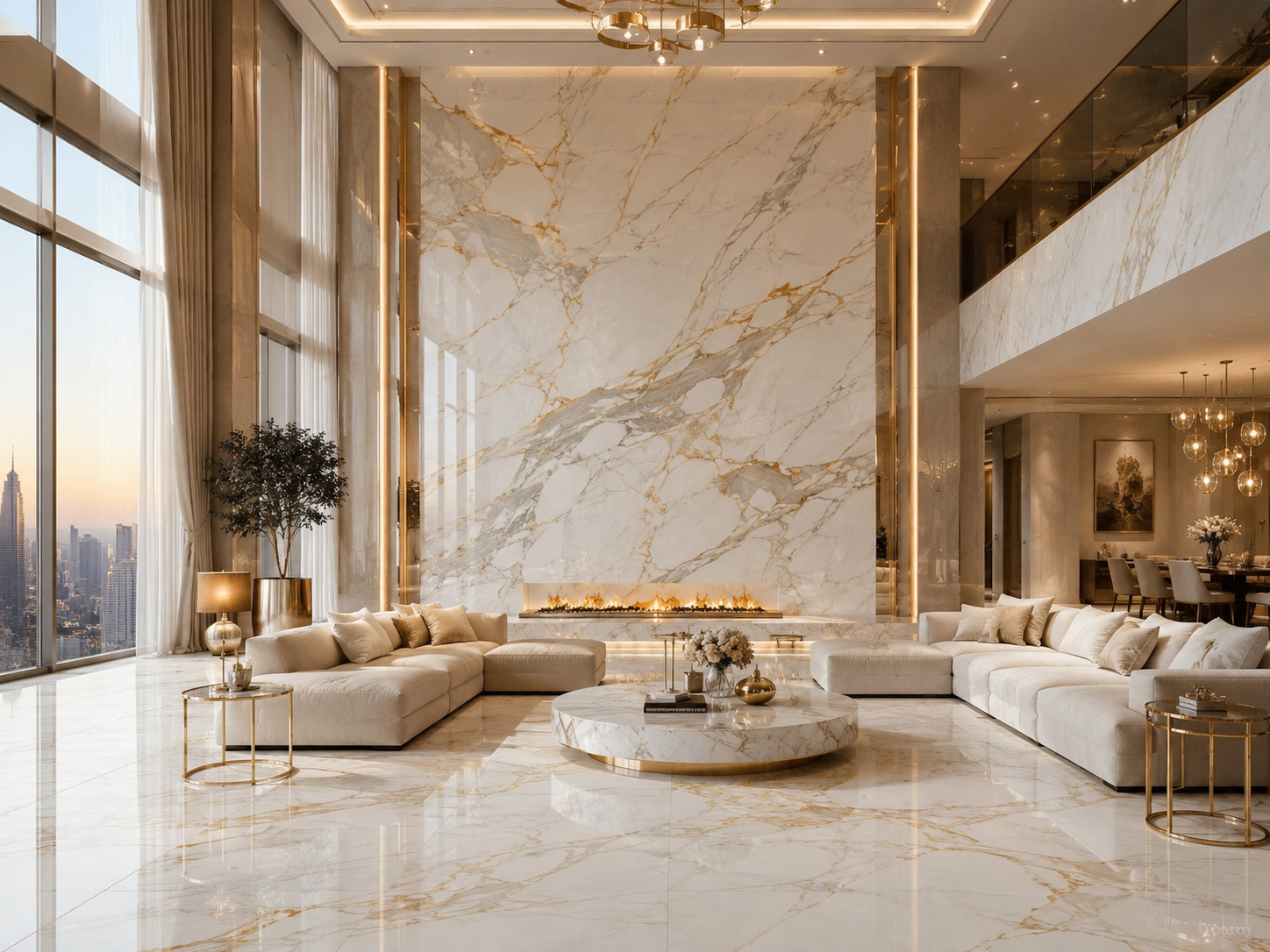
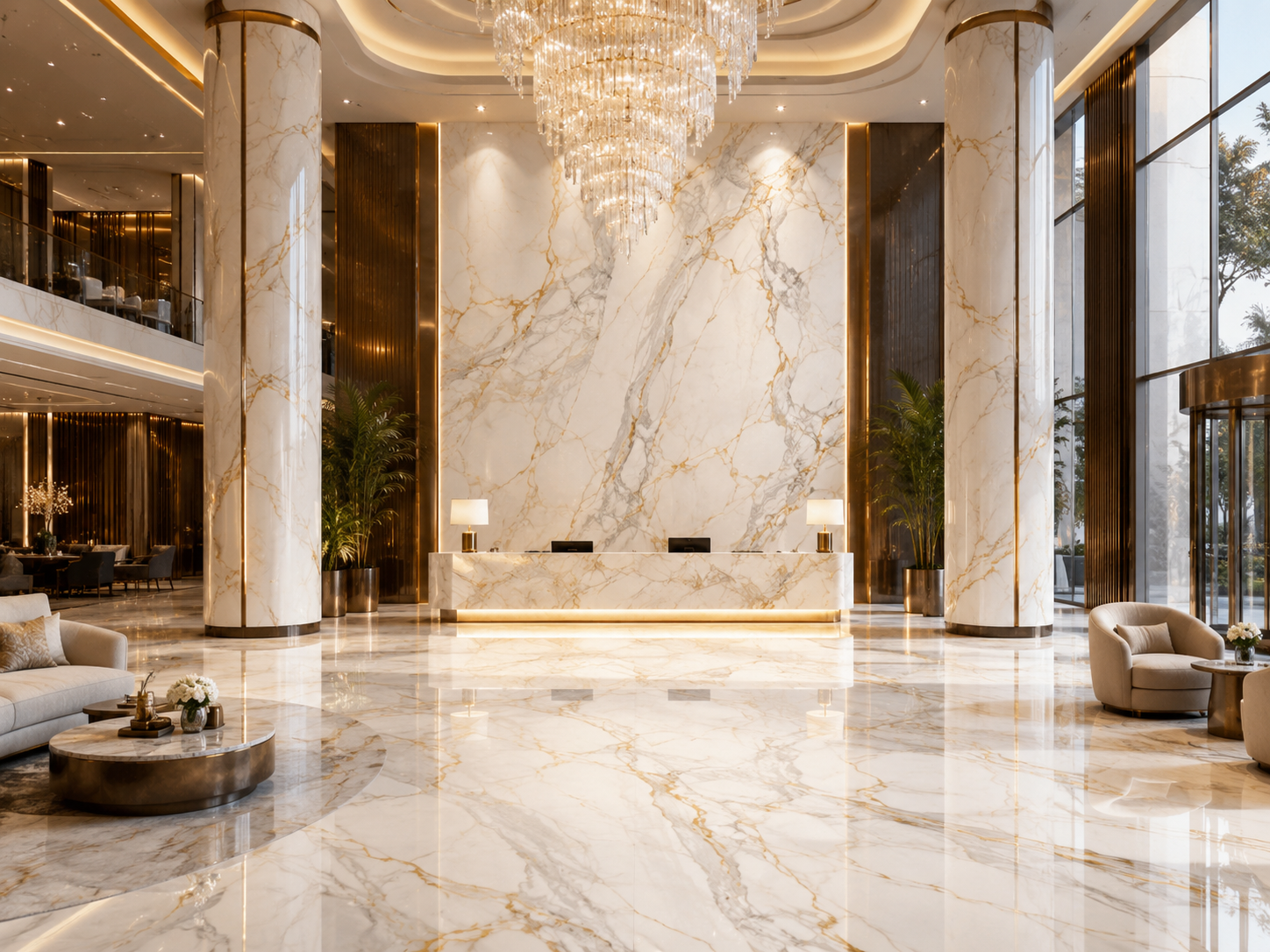
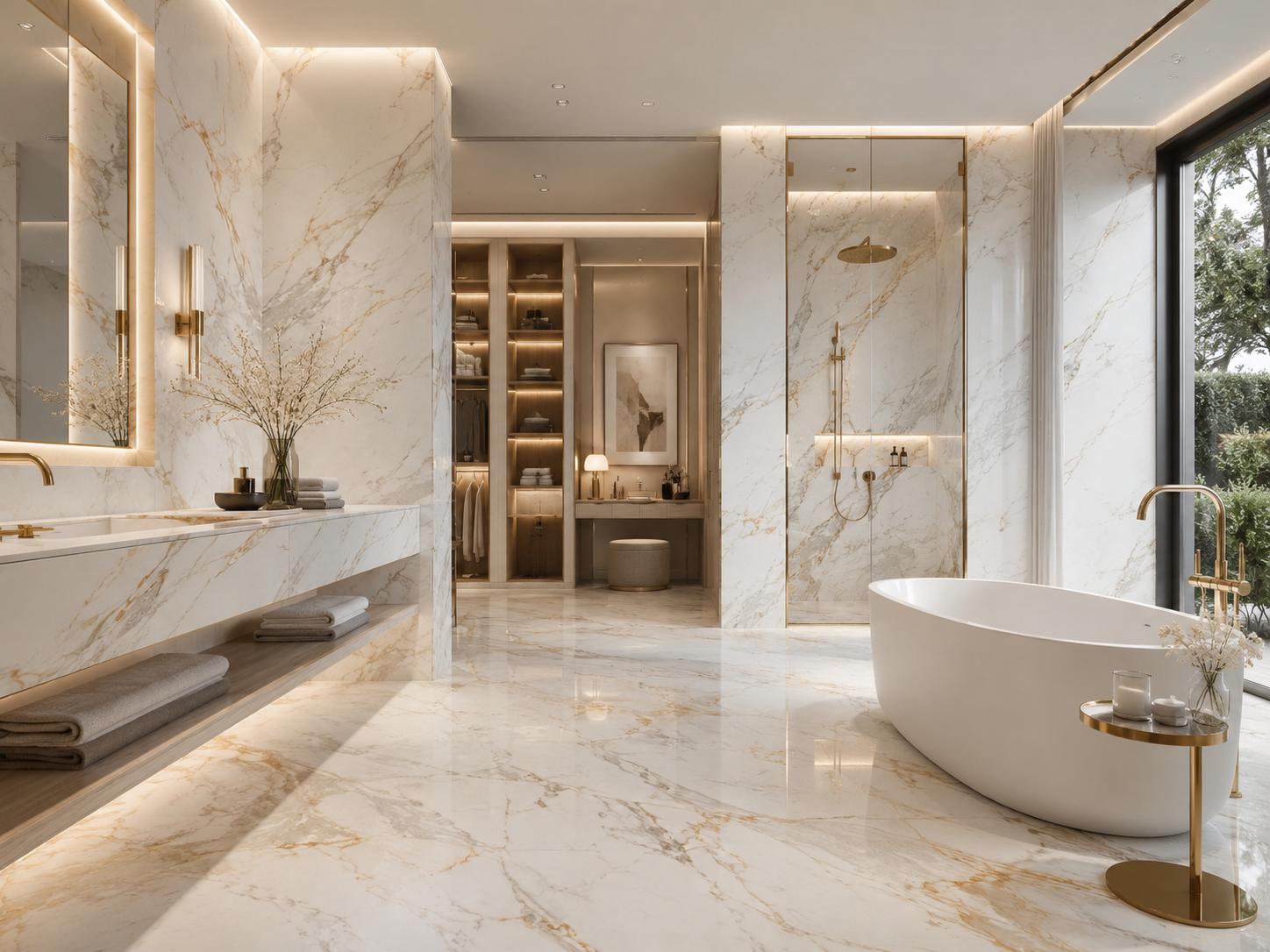
Calacatta Gold Marble combines a luminous white base with elegant grey veins and warm golden or beige movement.
Because of its natural warmth, it suits interiors where architects want luxury without creating a space that feels cold or overly formal.
Calacatta Gold coordinates beautifully with:
- Brass
- Bronze
- Champagne-finished metal
- Walnut wood
- Warm oak
- Beige upholstery
- Cream walls
- Decorative lighting
- Earth-toned accessories
Therefore, designers frequently select it for:
- Master bathrooms
- Luxury kitchens
- Waterfall kitchen islands
- Dining areas
- Boutique hotels
- Premium villas
- Reception counters
- Formal lounges
- Fireplace surrounds
- Designer furniture
A Calacatta Gold kitchen island can become the sculptural centre of an open-plan interior. For the best result, the veins should continue from the horizontal countertop to the vertical side panels.
As a result, this waterfall effect makes the island appear as though craftspeople carved it from one continuous block of marble.
In bathrooms, Calacatta Gold creates a warm, relaxing and refined atmosphere. For example, designers can use it behind a freestanding bathtub, across a shower wall, on vanity counters or as a book-matched feature surface.
Moreover, the golden movement within the marble connects naturally with warm lighting, timber cabinetry and metallic bathroom fittings.
As discussed during the IIID Jaipur interaction, architects should inspect complete Calacatta Gold slabs because a small sample cannot reveal the scale, direction or intensity of the golden veins.
Carrara White Marble – Understated Elegance
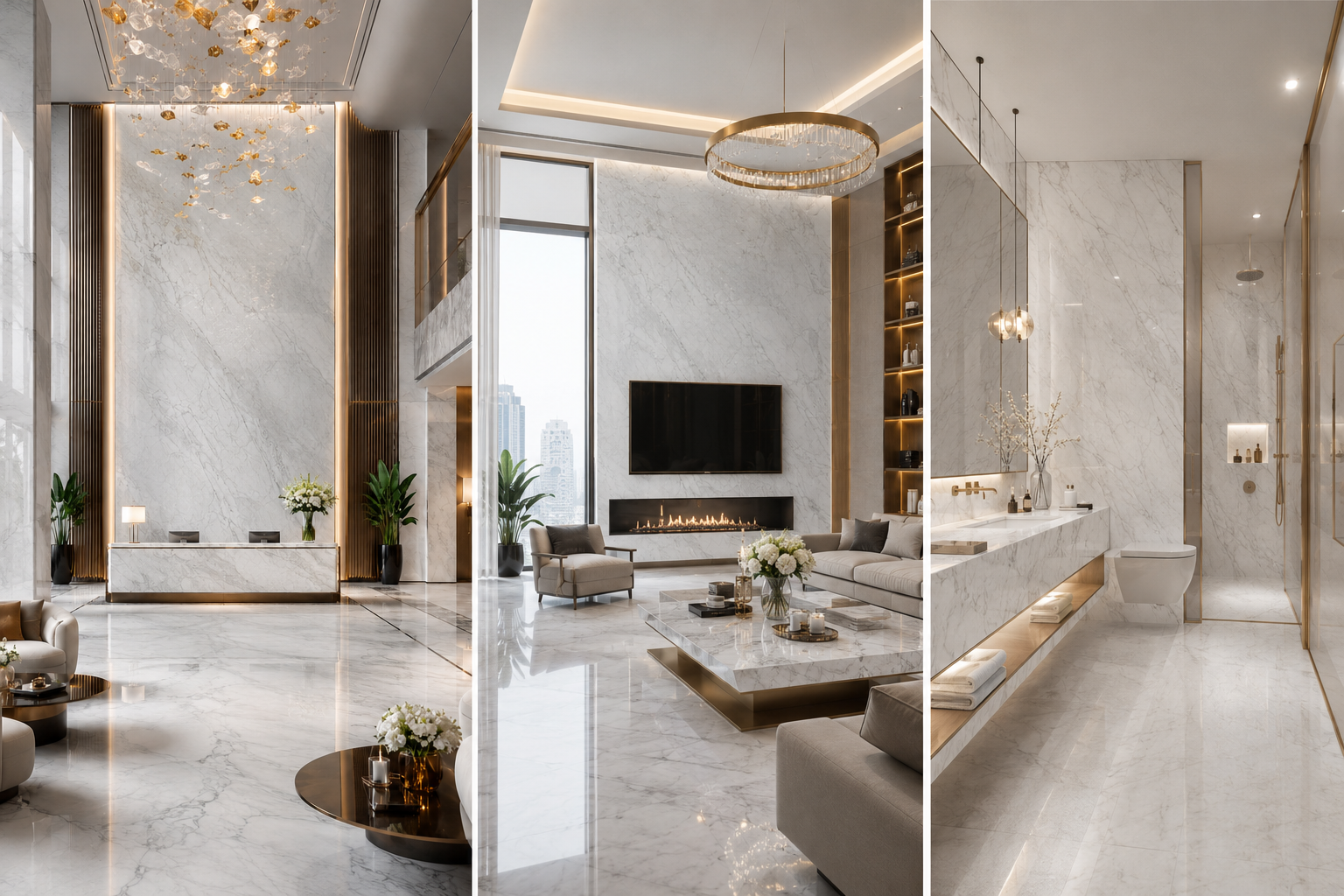
Carrara White Marble has remained one of Italy’s most admired natural stones because of its soft grey background, delicate veining and balanced appearance.
Unlike highly dramatic white marble varieties, Carrara generally creates quieter and more understated luxury.
Therefore, designers widely use it in:
- Contemporary apartments
- Minimalist homes
- Boutique commercial interiors
- Spa and wellness areas
- Bathroom vanities
- Wall cladding
- Kitchen backsplashes
- Elegant flooring
- Café interiors
- Hotel guest rooms
Carrara White Marble works well with pale timber, natural linen, white cabinetry, brushed steel, muted brass, soft grey fabrics and indoor greenery.
Moreover, its subtle character allows designers to use it across larger surfaces without overpowering the furniture or decorative elements.
Carrara is particularly suitable for bathrooms where the objective is to create a peaceful, clean and spa-like environment. For example, designers can use it for shower walls, vanity counters, bathtub surrounds, niches, shelves and selected flooring.
However, warm lighting and natural wood details can prevent a Carrara interior from appearing too cool.
Carrara White demonstrates that luxury does not always need to be bold. Instead, a calm, balanced and carefully detailed interior can feel equally premium.
During the dialogue between DC Bhandari and IIID Jaipur, Carrara represents an important example of how architects can achieve timeless elegance without too much visual drama.
Michelangelo Marble – Artistic Character
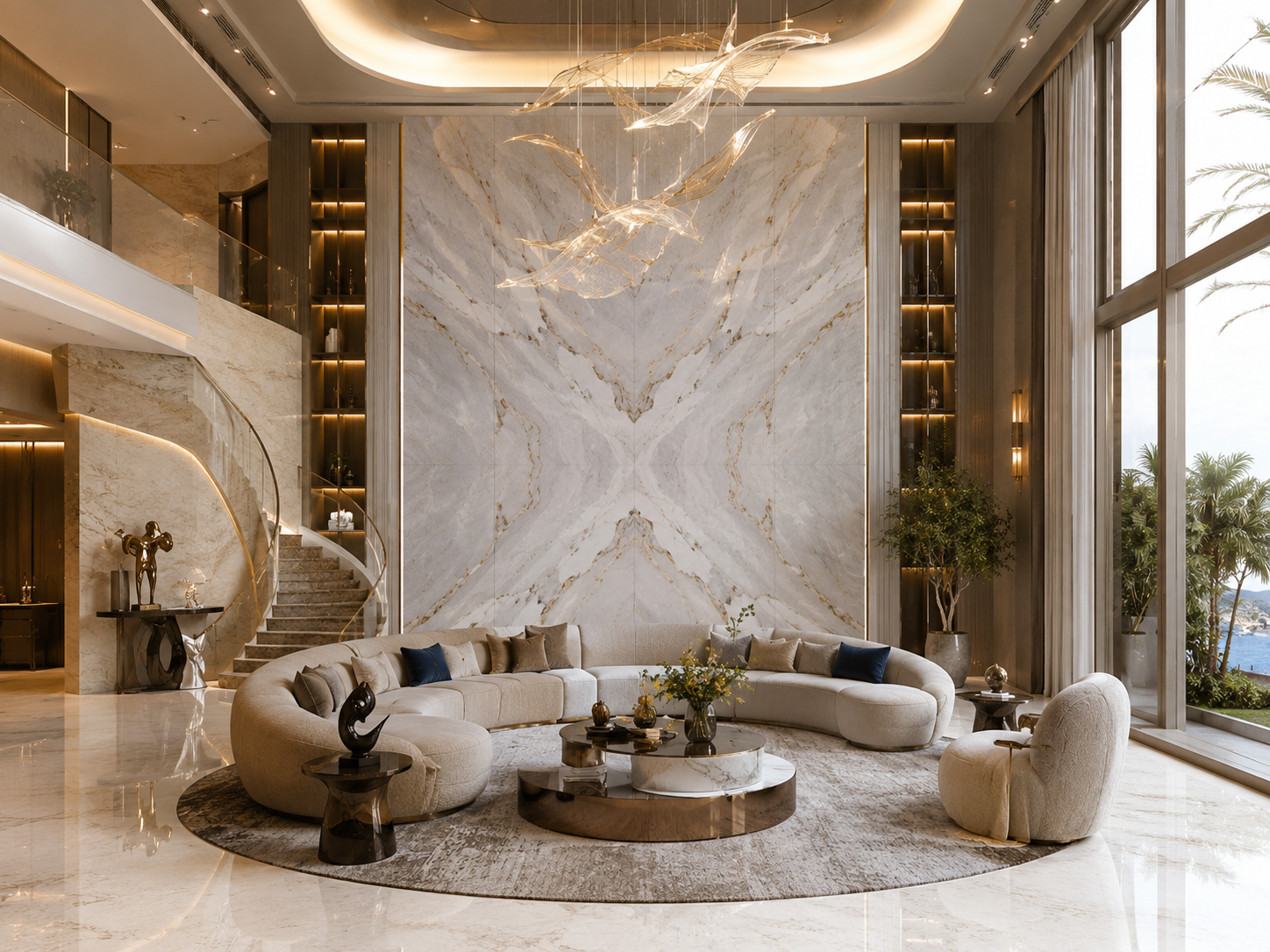
Designers select Michelangelo Marble for projects where they want the marble itself to become the centrepiece of the interior.
Its expressive veining creates natural artwork across floors, walls, furniture surfaces and architectural features.
Luxury applications include:
- Double-height feature walls
- Designer living rooms
- Hotel suites
- Luxury lounges
- Executive boardrooms
- Premium retail spaces
- Reception backdrops
- Designer staircases
- Statement bathrooms
- Hotel lobbies
Each Michelangelo Marble slab offers a different natural composition. Therefore, the project team should review every selected slab before cutting or installation.
The project team should determine:
- Which slab will form the centre of the composition
- Whether two or four slabs can be book-matched
- Where the strongest veins should appear
- How doors and windows may interrupt the pattern
- Where lighting fixtures will be positioned
- Which sections should be reserved for focal areas
- Where joints should be placed
Otherwise, random cutting can weaken the visual impact of an otherwise remarkable slab.
Michelangelo Marble works best when the surrounding interior remains controlled. For example, dark timber, bronze details, black metal, neutral walls, solid-colour fabrics and sculptural lighting can support the marble without competing with its natural movement.
In the discussion with IIID Jaipur, Michelangelo Marble represents the ability of natural stone to function not merely as a building material but as a unique architectural artwork.
AI Is Changing Design—But Not Nature
Artificial intelligence is helping architects and interior designers generate ideas faster than ever before.
Today, AI-supported design tools can:
- Produce interior visualisations
- Explore multiple layouts
- Suggest colour palettes
- Generate lighting concepts
- Present different design directions
- Compare materials and furniture
- Create preliminary client presentations
- Accelerate early-stage planning
These tools can make experimentation faster and help clients understand the proposed interior before physical work begins.
However, AI-generated visualisations do not remove the need for professional judgement.
A digital image may display a dramatic marble wall, but the architect must still determine whether similar natural slabs are available. In addition, the design team must understand slab dimensions, thickness, cutting limitations, vein continuity, joint placement, fixing systems, lighting conditions and project budget.
Natural Marble and Human Expertise
AI can imitate the appearance of marble, but it cannot create the geological identity of natural stone.
Heat, pressure, mineral movement and natural geological processes form every marble slab over millions of years. Therefore, the veins do not appear as printed surface patterns. Instead, they form part of the stone itself.
No two genuine marble slabs are completely identical.
As a result, this individuality gives natural marble its emotional and architectural value.
The dialogue between DC Bhandari and IIID Jaipur explains that the future of design will depend on a balance between:
- Technological speed
- Human creativity
- Material knowledge
- Technical experience
- Skilled craftsmanship
- Client understanding
- Responsible execution
Technology can help designers imagine a project, but natural marble gives the project authenticity.
The Infinity Marble India – A Destination for Design Professionals
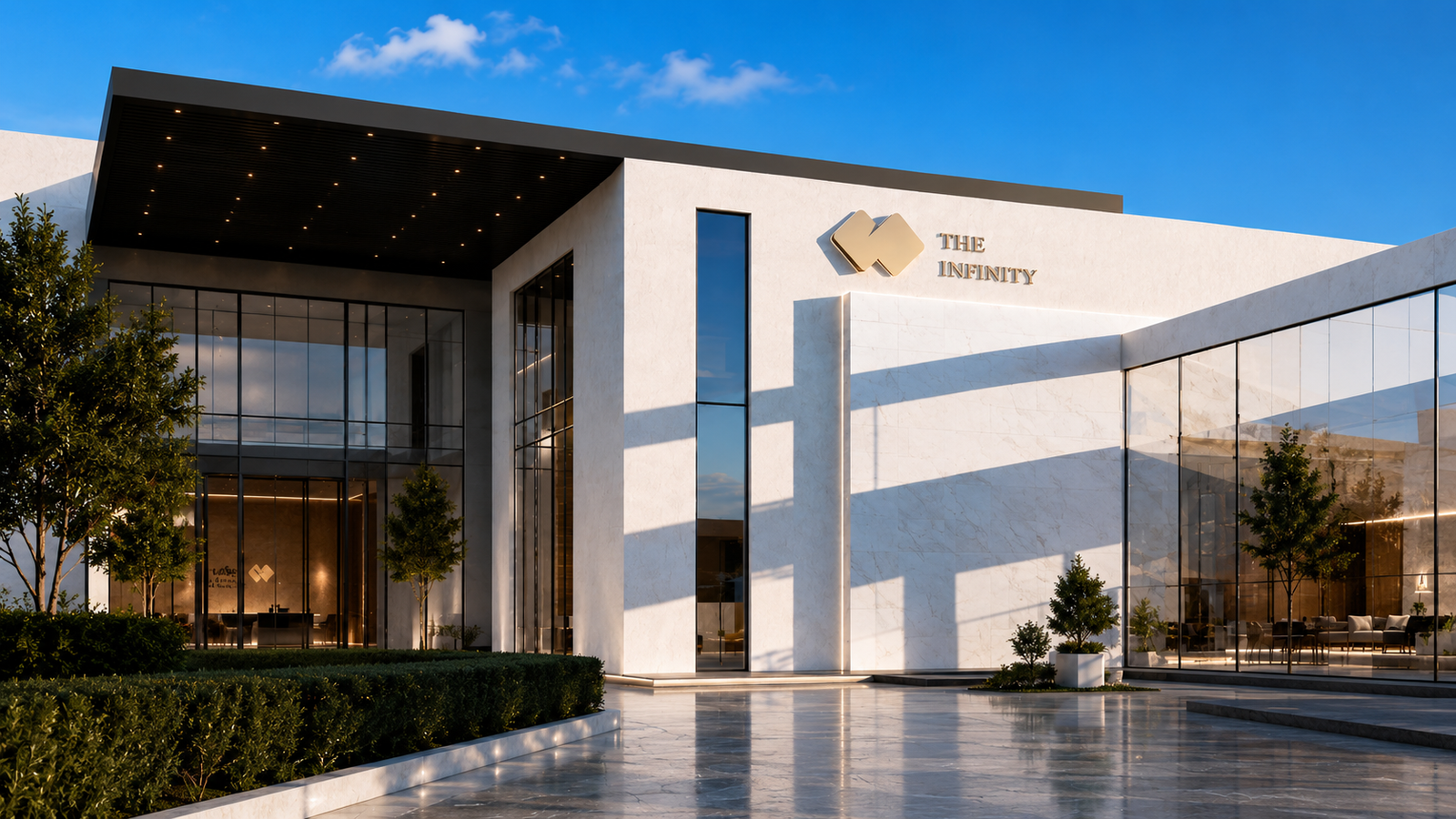
Located in Kishangarh, Rajasthan, The Infinity Marble India by Bhandari Marble Group Global offers a carefully selected collection of natural marble and stone for luxury residential, commercial and hospitality projects.
Architects, interior designers, engineers, builders, developers and homeowners can inspect full-size slabs before making their final selections.
The collection includes:
- Italian Marble
- Imported Marble
- White Marble
- Indian Marble
- Granite
- Quartzite
- Onyx
- Travertine
- Exotic Natural Stone
The showroom experience allows design professionals to compare different marble varieties, study natural veining, evaluate slab dimensions and select materials according to the architectural concept.
A natural-stone supplier should not function only as a material seller. Instead, the supplier should support the design team with practical knowledge related to:
- Application suitability
- Marble thickness
- Slab dimensions
- Surface finishes
- Vein direction
- Book-matching
- Cutting layouts
- Quantity planning
- Installation considerations
- Maintenance requirements
The continuing interaction between The Infinity Marble India and IIID Jaipur reflects this collaborative approach.
By connecting material expertise with professional design knowledge, the dialogue encourages architects and interior designers to make more informed decisions before project teams order, cut or install the marble.
As a result, this approach can reduce wastage, improve visual continuity and help the finished project remain closer to the original architectural vision.
Looking Ahead
The conversation between DC Bhandari and IIID Jaipur demonstrates that the future of luxury architecture lies in collaboration.
Architects create the design vision. Meanwhile, interior designers shape human experience. Engineers ensure technical performance. Builders execute the design, while natural-stone specialists help identify the correct marble, slab size, finish and installation method.
Technology will continue to evolve.
Similarly, artificial intelligence will continue to accelerate design development.
In addition, digital slab mapping, computer-controlled cutting and advanced installation systems will create new opportunities for architects and interior designers.
However, successful luxury projects will still depend on thoughtful material selection, skilled craftsmanship and clear communication between every professional involved.
White marble will continue to evolve through new applications, including:
- Large-format flooring
- Full-height wall cladding
- Book-matched feature walls
- Sculptural staircases
- Waterfall kitchen islands
- Integrated marble furniture
- Designer bathroom compositions
- Reception counters
- Luxury hospitality interiors
- Premium commercial spaces
Therefore, the next stage of luxury architecture will combine natural materials with modern technology while preserving the authenticity that makes every marble installation unique.
Conclusion

White marble continues to remain relevant because it offers something that manufactured repetition cannot provide: natural individuality.
Italian Statuario Marble creates iconic grandeur. Meanwhile, Calacatta Gold Marble introduces warmth and sophistication. Carrara White Marble provides quiet and understated elegance. In contrast, Michelangelo Marble transforms architectural surfaces into natural artwork.
The dialogue between DC Bhandari, The Infinity Marble India by Bhandari Marble Group Global and IIID Jaipur highlights that selecting marble is not simply a purchasing decision.
Instead, it is a collaborative architectural process.
The right result depends on complete slab inspection, thoughtful vein planning, appropriate applications, technical understanding and skilled installation.
Artificial intelligence can help architects imagine extraordinary spaces, but authentic marble gives those spaces identity, permanence and emotional character.
Ultimately, the future of luxury is shaped through conversation—a conversation between architects, interior designers, engineers, builders, natural-stone specialists, technology, craftsmanship and nature.
Frequently Asked Questions
1. Why is white marble popular in contemporary architecture?
White marble is popular because it creates brightness, spaciousness, sophistication and timeless visual appeal. Moreover, it can complement classical, modern, minimalist and luxury interiors.
2. What was the main purpose of the dialogue between DC Bhandari and IIID Jaipur?
The dialogue focused on the changing role of natural stone in architecture, the impact of artificial intelligence on design and the importance of collaboration between designers and material specialists.
3. Which white marble is suitable for a luxury villa?
Italian Statuario is suitable for dramatic interiors, while Calacatta Gold is suitable for warm luxury. Carrara White works well for understated spaces, whereas Michelangelo Marble is suitable for artistic feature areas.
4. What is the difference between Statuario and Carrara White Marble?
Statuario generally has a brighter white background and stronger grey veins. In contrast, Carrara usually offers a softer grey background and more delicate veining.
5. Is Calacatta Gold Marble suitable for luxury kitchens?
Yes. Designers can use it for kitchen islands, backsplashes and selected countertops. However, suitable sealing, careful cleaning and protection from acidic spills are important.
6. What is book-matched marble?
Book-matching is a design technique in which installers open adjoining slabs like the pages of a book. As a result, their veins create a mirrored or symmetrical pattern.
7. Why should architects inspect full marble slabs?
Full-slab inspection reveals the complete vein movement, natural markings, dimensions, shade variation and book-matching potential. However, architects cannot understand these details through a small sample.
8. Can artificial intelligence replace architects or marble specialists?
AI can support visualisation and concept development, but it cannot replace professional judgement, technical knowledge, material inspection and installation experience.
9. Where can architects and interior designers inspect premium marble slabs?
They can inspect full-size natural-stone slabs at The Infinity Marble India by Bhandari Marble Group Global in Kishangarh, Rajasthan.
10. What should be considered before selecting white marble?
The design team should consider the room size, lighting, application, foot traffic, furniture palette, vein intensity, slab quantity, finish, maintenance requirements and installation method. In addition, complete slab inspection should remain an important part of the selection process.
📞